
Material and fence style
Wood, vinyl, chain link and aluminum use different systems, components and labor. Within each material, height, board or panel style, coating, color and decorative details also affect price.
A useful fence estimate is not a mystery number or a generic price per foot. It is the cost of a specific material, layout, gate plan and level of removal on your actual property. Understanding the major cost drivers helps you compare estimates accurately and spend money where it improves the finished result.
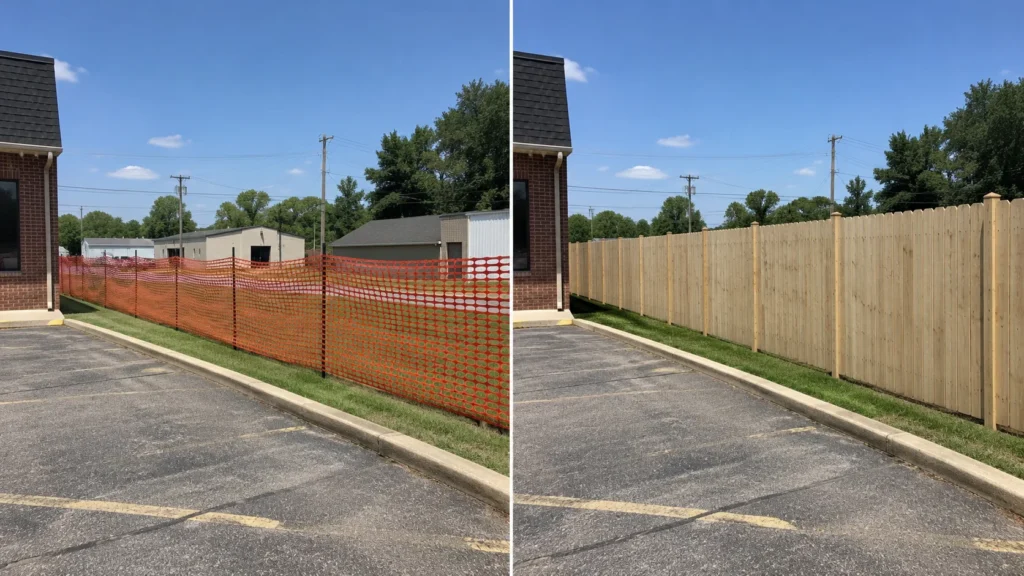
The same backyard can support several very different fence projects. A chain-link enclosure for a dog, a cedar privacy fence around a patio and a low-maintenance vinyl boundary may cover similar footage but deliver different benefits, use different components and require different labor. That is why national averages and one-number-per-foot claims can mislead homeowners.
Begin with the problem the fence should solve. Privacy, containment, curb appeal, pool separation, commercial security and replacement of a failed fence create different priorities. Once the outcome is clear, material, height, gates and layout can be chosen intentionally instead of trimmed randomly to chase a number.
These variables explain most of the meaningful difference between one project price and another.
Wood, vinyl, chain link and aluminum use different systems, components and labor. Within each material, height, board or panel style, coating, color and decorative details also affect price.
Long straight runs are different from layouts with many corners, short transitions or separate enclosures. The total line matters, but the shape of that line matters too.
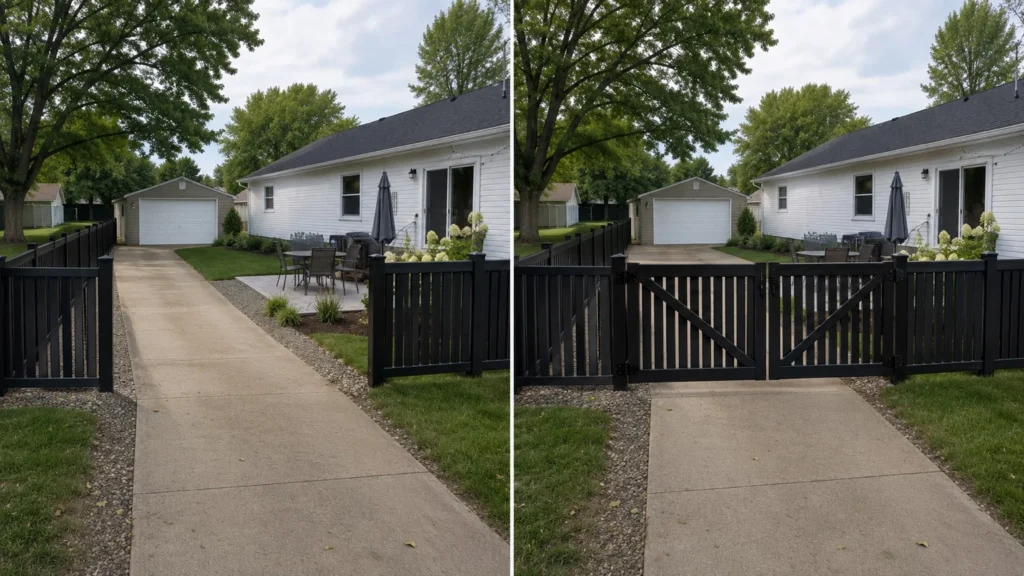
A gate is a moving assembly with posts, framing, hinges and latching hardware. Walk gates, mower openings, double gates and commercial access should be priced by their actual size and use.
Removal can include panels, rails, fabric, posts, concrete and disposal. An estimate should make clear whether demolition is included and what portions are being removed.
Slopes, retaining walls, roots, hardscape and difficult digging change how the fence meets the property and how efficiently the work can proceed.
Open access for materials and equipment is different from carrying everything through a narrow side yard, finished landscape or occupied commercial site.
Caps, trim, board direction, coatings, reinforced openings and transitions can add value and character. They should be chosen because they improve the result, not hidden inside a vague allowance.
Two totals are not comparable until the included work is comparable. Look for clarity in the scope before focusing on the difference at the bottom.
Compare material, style, height, post system, footage and finish. A lower estimate may describe a meaningfully different product.
Verify opening widths, single or double construction, hardware and intended use. Undersized access becomes an everyday frustration.
Know whether old-fence removal, concrete handling, hauling and disposal are included or left to the owner.
A clear estimate identifies what is not included and what property information or access conditions the price assumes.
Registration, insurance, references, communication and a clear written scope reduce risk that a low number alone cannot address.
The best value is the fence that accomplishes the goal with dependable gates and a layout you will not immediately wish you had changed.
A cleaner layout, fewer unnecessary corners or a standard style can reduce cost without sacrificing the primary goal.
Do not shrink or eliminate the gate your mower, trailer, trash bins or business operations actually require.
Focused screening may solve a specific view more efficiently than enclosing every boundary with the tallest solid fence.
Send the address, the result you want, material ideas and whether an old fence is involved. Exact measurements are not required to begin. We will help organize the choices and provide a clear project-specific estimate.
Iowa City Fence Builders brings 25 years of construction experience to fence installation, repair and replacement. We are Iowa contractor registered, fully insured and ready to provide references upon request.
You do not need a finished design to contact us. Bring the address and the result you want; we will help organize the material, layout, gates and project scope.
These answers provide a useful starting point. Your property, goals and selected fence system determine the final recommendation.
There is no dependable universal price per foot because material, height, style, gates, removal, corners, grade and access change the scope. A property-specific estimate is the reliable way to price the project.
Chain link often provides practical enclosure at a lower project cost than solid privacy or ornamental systems, but the right comparison depends on height, coating, gates and the result you need.
Solid privacy systems generally use more material than open fencing. Wood versus vinyl, height, style, layout and gates then determine the actual difference.
Gate cost depends on material, width, single or double construction, posts, frame, hinges and latch hardware. Gates should be priced as complete working openings rather than generic add-ons.
It can be, but it should be stated clearly. Confirm whether panels or fabric, rails, posts, concrete, hauling and disposal are included.
Often. Simplifying the layout, reducing unnecessary corners, using focused privacy and selecting a standard style can control cost while protecting the main goal and necessary access.
No. Send the address and describe the area and outcome. Measurements can be confirmed as the project scope develops.
It should identify the material, style, height, layout, gates, removal, included work, important assumptions and total project price clearly enough to understand what you are buying.
Tell us what you want to change. We will help you choose the material, layout and scope that make sense.